
Water Storage Tanks
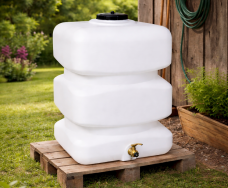
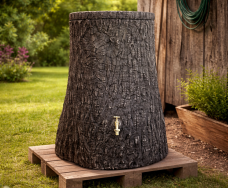
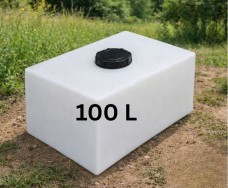
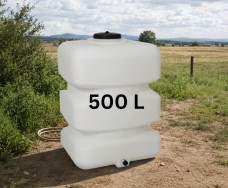
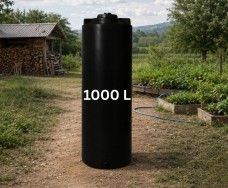
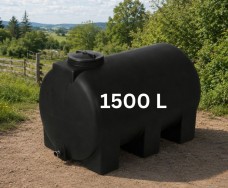


Water Storage Tanks – a reliable way to store and manage water supplies
Water storage tanks are used in domestic water supply systems, irrigation, heating, and various commercial and agricultural activities. They allow the accumulation of the required amounts of water during supply interruptions, support more efficient consumption, and make resource management easier. Modern models are designed for long service life, reliable performance, and easy connection to different installations.
What are water storage tanks?
Purpose:
Water storage tanks are used to store water for different purposes – drinking, rainwater, or technical use. They are especially useful in cases of:
- Lack of constant water supply
- Need for a backup water source
- Collection and reuse of rainwater
- Supplying irrigation and heating systems
Advantages:
- Ensure water availability when needed
- Help reduce water-related costs
- Support environmentally friendly use of rainwater
- Provide peace of mind during outages and emergencies
- Facilitate better control over consumption and reserves
Applications of water storage tanks
Water storage tanks have practical applications in various areas:
- Heating systems – support solar and water-based installations
- Home – reserve water for everyday needs and security during supply interruptions
- Garden – watering and irrigation of green areas
- Agriculture – technical water and irrigation solutions
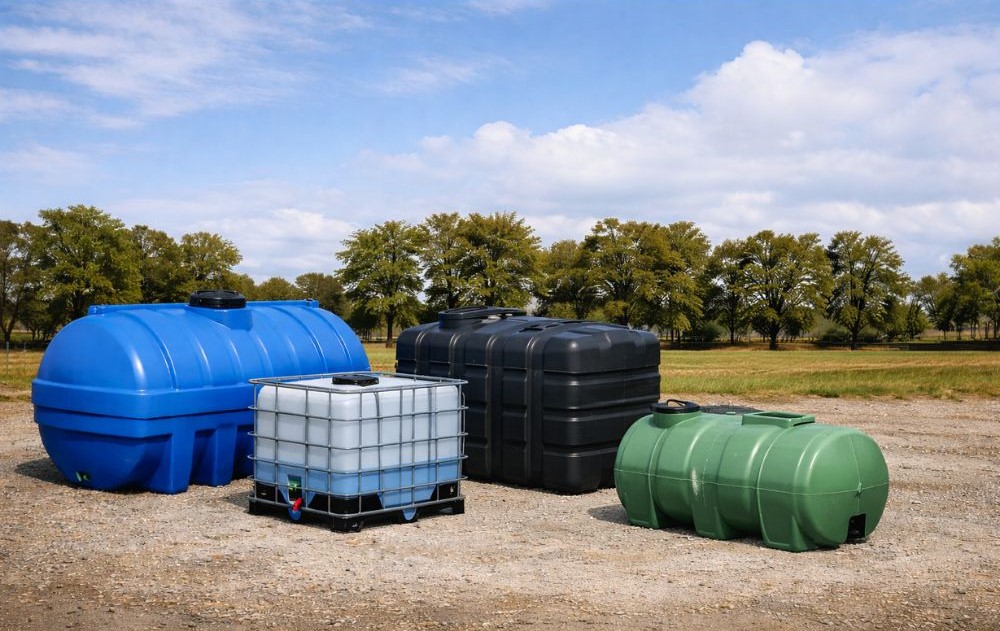
Types of water storage tanks by purpose
Drinking water storage tanks / Potable water tanks
Drinking water storage tanks / Potable water tanks are designed for storing water for drinking, cooking, and household use. They are suitable for residential buildings, houses, and holiday homes, as well as for locations with seasonal or unreliable water supply. Unlike tanks used for technical or rainwater, potable water tanks are manufactured from certified, food-safe materials, do not affect taste or odor, and comply with strict hygiene requirements.
Applications:
- Residential buildings
- Houses and holiday homes
- Areas with seasonal or limited access to piped water
- Emergency and backup water storage
Advantages:
- Safe storage of drinking water
- Made from hygienic and certified materials
- Suitable for backup water supply
- Protection against external factors and contamination
- Practical for homes, holiday properties, and commercial facilities
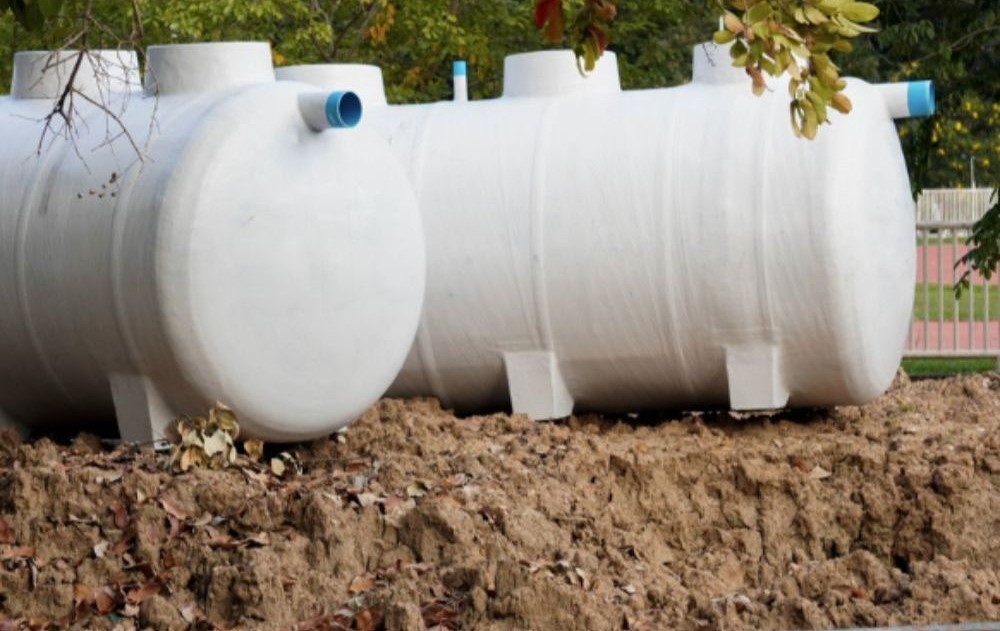
Rainwater tanks
Rainwater tanks are a practical solution for collecting and reusing rainfall. They are typically connected to roofs, gutters, and drainage systems, allowing a reduction in the use of drinking water for activities where potable water is not required. This solution is especially useful during dry periods and for more intensive irrigation.
Uses of rainwater:
- Irrigation of gardens and lawns
- Cleaning outdoor areas and washing vehicles
- Technical and agricultural applications
Advantages:
- Lower costs through the efficient use of rainfall
- Environmentally friendly solution for sustainable resource management
- Suitable for irrigation and technical activities
- Easy connection to gutters and drainage systems
- Minimal maintenance and a long service life
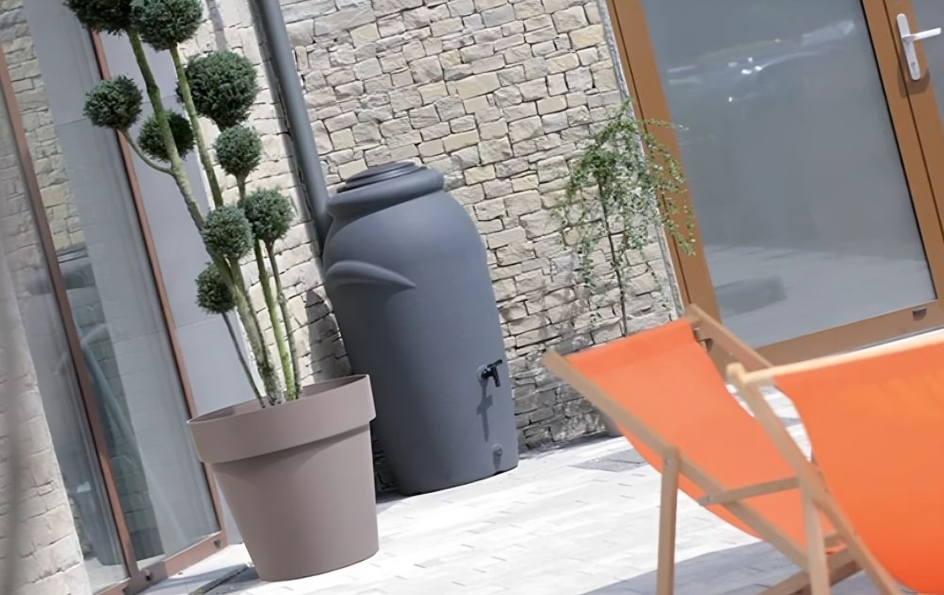
How to choose the right water storage tank
Choosing the right tank ensures reliable performance and long-term efficiency. When purchasing, consider the intended use of the water, the required capacity, the installation location, and maintenance options.
Drinking water storage tanks / Potable water tanks
- Certified material suitable for drinking water
- Capacity according to the number of users and needs
- Hygienic design, easy to clean
- Protection from UV rays and external contaminants
- Connection to the water supply system
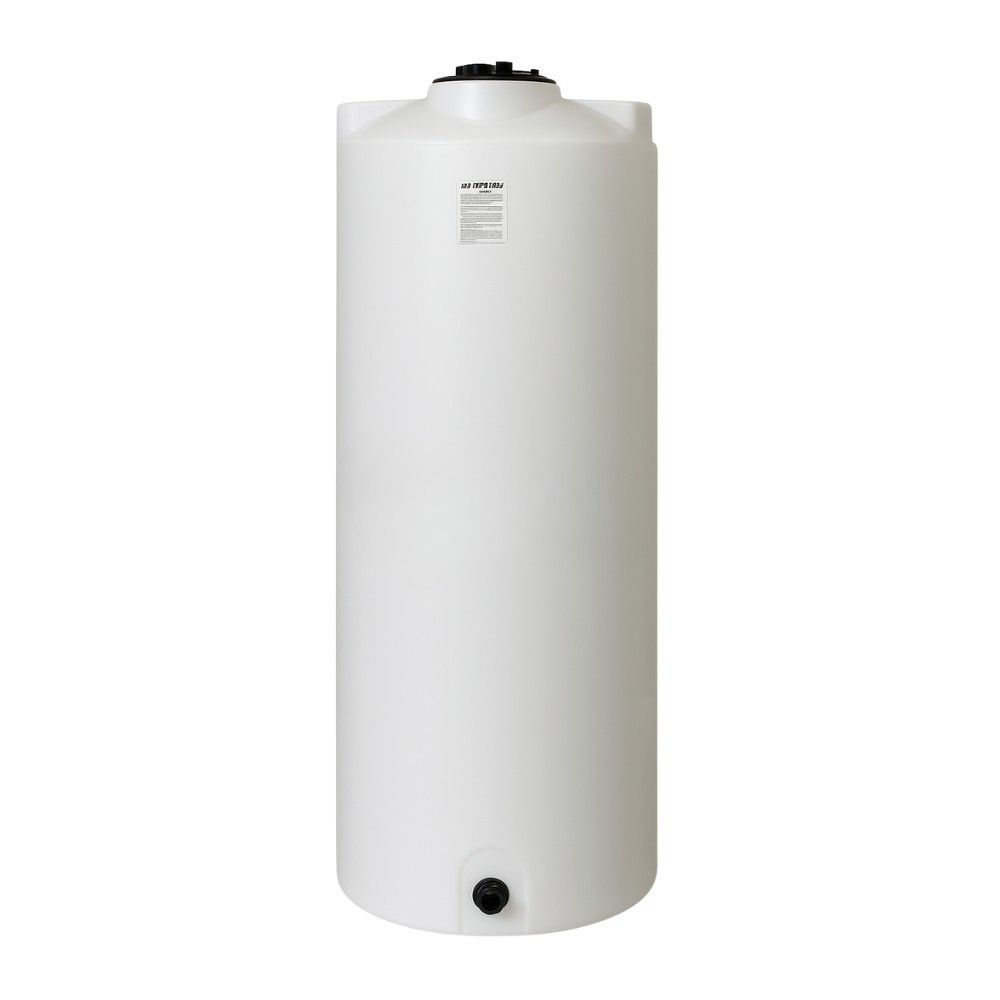
Rainwater tanks
- Capacity according to roof area and rainfall
- Installation – above-ground
- Compatibility with gutters and drainage systems
- Filters for mechanical impurities
- Access for maintenance

Installation, placement and capacity selection
When choosing a location for the tank, it is important to provide a stable and level surface to ensure safe and long-term use. The placement should allow easy access for maintenance and convenient connection to existing water supply, irrigation, or drainage systems.
The appropriate tank capacity is determined by the method of use and household needs. For domestic use and irrigation of smaller areas, models with a capacity between 200 and 500 liters are often sufficient. For more intensive use, higher consumption, or the need for a reserve supply, it is recommended to choose a tank with a capacity of 1000 liters or more.
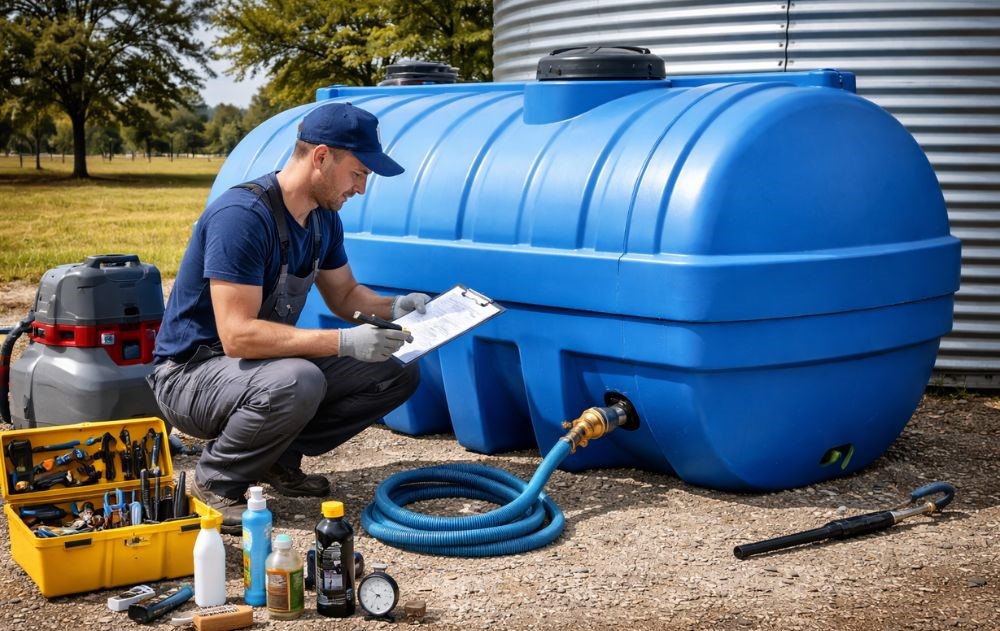
Frequently asked questions about water storage tanks
- Which type of water storage tank is most suitable for residential use?
For households, drinking water storage tanks are most commonly used, with the capacity depending on the number of people and daily consumption.
- Can collected rainwater be used in households?
Rainwater is not suitable for drinking without special treatment, but it is an excellent solution for irrigation, cleaning, and other technical purposes.
- What is the difference between drinking water tanks and rainwater tanks?
The main difference lies in the material and intended use – drinking water storage tanks are made from certified materials, while rainwater tanks are designed for technical applications.
- How can I determine the required tank capacity?
The required volume depends on frequency of use, number of users, and whether the tank will serve as a primary or backup source.
- Does installing a water storage tank require special preparation?
In most cases, it is sufficient to ensure a stable and level base and an appropriate location for connection to the system.
- Are water storage tanks suitable for year-round use?
Yes, with proper placement and adequate protection, tanks can be used reliably throughout all seasons.
- What maintenance is required for a water storage tank?
Periodic cleaning and inspection of covers and connections are recommended to ensure good water quality and long service life.
- Can one tank be used for more than one purpose?
This is possible if the tank type and material are suitable for the water type and intended use.
- What is the best location for placing a water storage tank?
The best location is one that allows easy access, convenient maintenance, and connection to existing systems.
- What are the long-term benefits of using water storage tanks?
They provide greater independence from the water supply, optimize costs, and support more efficient use of water resources.