
Hydrophore Pumps




What Are Hydrophore Systems and Pumps?
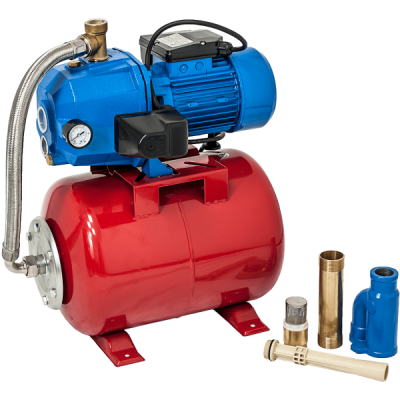
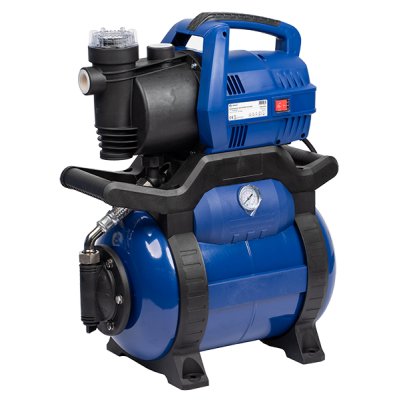
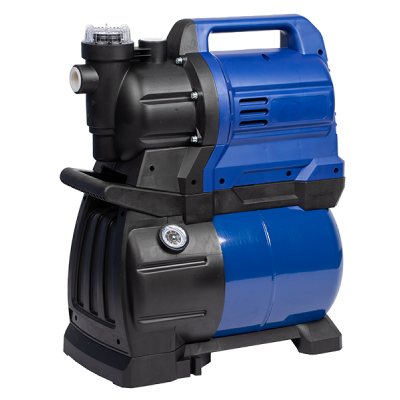
The hydrophore is a self-supply water system that provides autonomy for your household or agricultural property. The main components of the hydrophore system are a pump, expansion tank and pressure switch (control device).
Hydrophore pumps are used to supply water or to boost pressure in domestic and garden water installations. They are especially suitable for areas with low water pressure, providing an even and powerful water flow.
These pumps are applicable for water supply in residential properties and farms, irrigation systems, pressure boosting, drainage, and more.


Criteria for Choosing a Hydrophore Pump
When selecting a suitable hydrophore pump, it is important to consider several key factors:
-
Capacity and pressure: Each model has different pressure and flow rate values. Choose one that meets your requirements.
-
Suction depth
-
Water column height
-
Tank volume
-
Brand: Choose reputable manufacturers such as Speroni, Gmax, Metabo, and Grundfos.
-
System type: There are different types of hydrophore systems, including versions with an electronic pressure switch for greater control and automation.
Categories of Hydrophore Pumps
According to control and operation, hydrophore systems are classified as:
-
With electronic pressure switch: They use automatic control that manages water pressure efficiently. They usually don’t include an expansion tank, although a small one may be recommended. The pressure switch offers high protection, prevents operation without water, and is resistant to external conditions. When a tap is opened, the system activates and works at full power.
-
With mechanical pressure switch: A classic type requiring manual adjustment. Economical and easy to maintain, it is combined with an expansion tank. After setup, when pressure drops, the pump starts and supplies water to the tank. When pressure rises, the pump stops. Consumption begins from the tank first.
-
With frequency control (inverter): The most modern option. Maintains constant pressure regardless of the number of active users. Adjusts pump speed based on demand and reduces energy consumption. Known for quiet operation, long lifespan, and built-in dry-run protection. Compact design with an integrated small expansion tank.
Depending on suction depth and installation, hydrophore pumps can be:
-
Surface pumps: The most common type. They draw water from depths up to 6–7 m, with the pump located above ground and drawing water through a hose.
-
Submersible pumps: For wells deeper than 6 m. Designed for underwater operation, also suitable for dewatering. The outlet pipe and cable remain on the surface.
-
Borehole pumps: Designed for very deep boreholes. Their compact diameter allows installation in narrow shafts, similar to standard borehole pumps.

Frequently Asked Questions About Hydrophore Pumps
What is a hydrophore pump?
It is a device that increases pressure in the water system.
What are the benefits of a hydrophore system?
Constant flow, stable pressure, and more reliable water supply.
How do I choose the right pump model?
Evaluate the capacity, pressure, and system type.
How is a hydrophore pump installed?
It requires connection to the water and electrical installation, usually performed by a specialist.
What types of hydrophore pumps exist?
Self-priming, submersible, and multistage centrifugal pumps. The choice depends on the depth of the source and required flow rate.
Is the system suitable for a single-family house?
Absolutely. Especially when a tank or well is present—it ensures reliable and comfortable water supply.
What pressure does the system maintain?
Usually between 2 and 4 bar, with adjustment possible in some models.
Can the system operate without an expansion tank?
Although technically possible, it is not recommended. The tank reduces load and extends pump life.
Is the hydrophore system noisy?
Depends on the model. Newer systems are quieter, and submersible pumps are the most silent.
How long does a hydrophore pump last?
Typically 5–10 years with regular maintenance. Depends on water quality and working conditions.
What should I do if the pump runs but does not deliver water?
Check for available water, clogs, or air blockages. If needed, contact service.
How do I maintain the pump?
Regular cleaning and checking for damage or worn-out parts.
What is the difference between a hydrophore pump and a standard water pump?
The hydrophore boosts pressure, while a standard water pump mainly transfers water from one place to another.